Somewhere between a Bafana Bafana kickoff match and a Castle Lager logo, the Advertising Regulatory Board (ARB) handed influencer, brand and legal teams a masterclass in why "that's my personal social media account" is no longer a full proof get-out-of-jail card.The ruling concerns beer. The reasoning concerns every category that leans on influencers to feel authentic while still selling something, and few categories lean harder than cosmetics and personal care brands.
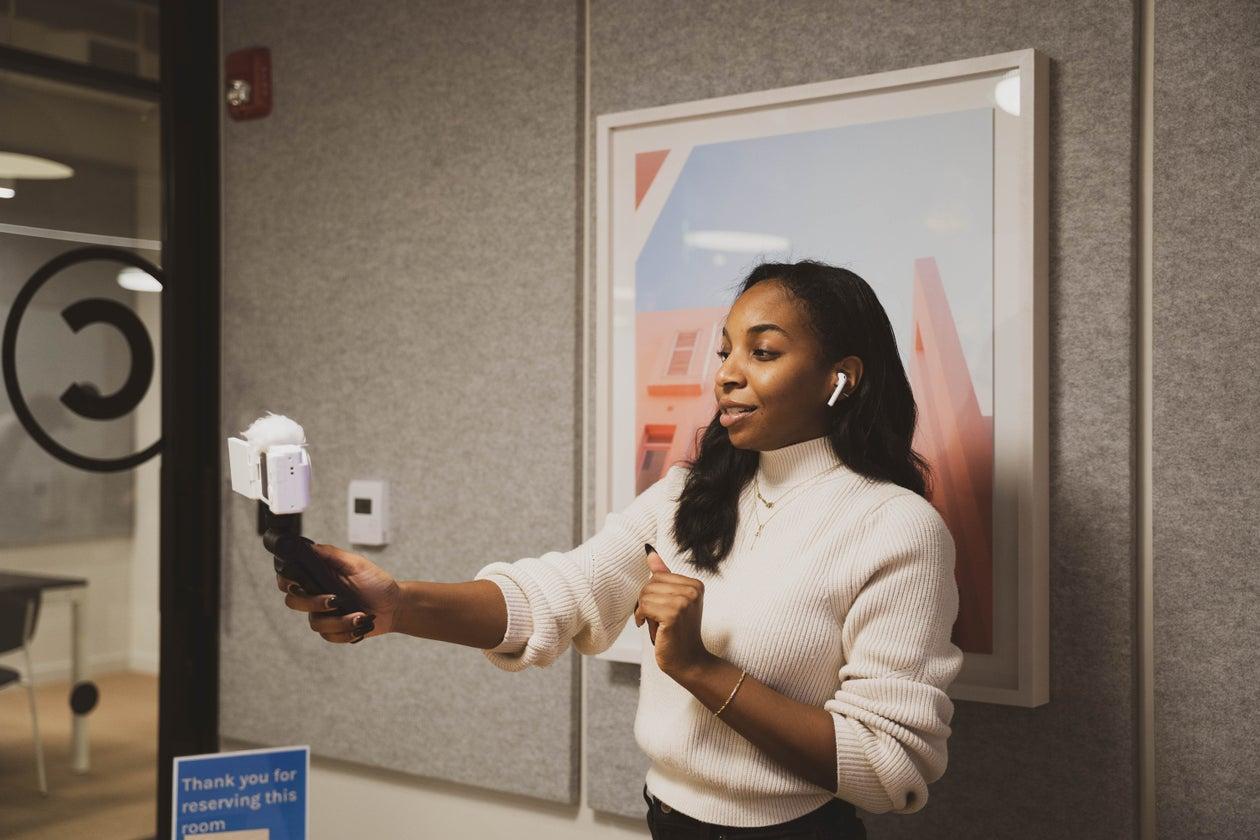
The facts are almost charming in their ordinariness. Ahead of the World Cup opener between South Africa and Mexico, sports influencer Jana Swart posted a "Get Ready With Me" video on her personal X account, prepping for the match in a Castle-branded shirt, hashtags for the tournament and the beer both present, and SAB's 18+ responsibility icon sitting quietly in the corner throughout. SAB's defence was tidy on paper: Swart does have a paid brand advocacy deal, but it lives on a different account, on a different platform, and this post wasn't part of that arrangement. No money changed hands for the X post specifically, so no disclosure was owed.
The Directorate wasn't having it, and used a phrase that deserves to be printed and pinned above every legal and marketing desk handling influencer contracts: the distinction was "confusing at best, disingenuous at worst." The tell was simple. The identical content, brand assets and all, also ran on Swart's contracted Instagram account. Ordinary people don't casually drop a beer brand's logo and an age-restriction icon into their own personal match-day content. The Board concluded that the audience, scrolling past either account, has no way of knowing which version of the influencer they're looking at, and that inability to tell the difference is precisely the harm the disclosure rules exist to prevent. The advertising was found to contravene Clause 3.3 of the Social Media Appendix, which requires paid content to carry an unmistakable identifier such as "#ad" or "#sponsored," even though, technically, it wasn't posted on the sponsored account.
Stripping away the beer and football backdrop or context, what you're left with is a doctrine that maps almost perfectly onto how beauty and personal care marketing actually works today. Very few influencer arrangements confine themselves neatly to one account. A skincare ambassador with a paid deal for Instagram will still post haul videos, "what's in my bag," unboxings of PR gifting, and get-ready-with-me routines on TikTok, YouTube Shorts, or a personal account that technically sits outside the contract. Brand names get said aloud, packaging gets shown in frame, discount codes get mentioned in passing, and none of it is necessarily paid for that specific piece of content. The ARB has now signalled, in the clearest terms yet, that it will look through the account structure and ask what the audience actually perceived, not what the contract technically covered. For a category built on the appearance of unscripted authenticity, that is not a small thing.
The practical exposure for a cosmetics brand runs in a few directions at once. There is the immediate compliance risk of a takedown order landing mid-campaign, at precisely the moment a launch or trend-jacking moment is generating attention, which converts a disclosure lapse into a visible, faintly embarrassing news cycle about a brand caught pretending an ad wasn't one. There is the reputational compounding effect specific to beauty, an industry already under consumer and media scrutiny for blurred lines between gifted content, gently paid content, and organic love, where a regulatory finding of non-disclosure lands as confirmation of exactly the cynicism consumers already suspect. And there is the contractual exposure that follows once one influencer relationship is shown to bleed across platforms, inviting a look at the rest of the roster and whether the same structural gap exists there too.
The upside, and there is one, is that this ruling arrives as a free early warning rather than a live enforcement action against a cosmetics brand. Legal and brand teams that treat it as a diagnostic rather than a footnote get to fix the gap before a complainant finds it for them. The fix starts in the contract itself, where scope should be defined by the influencer's conduct and brand-asset use across every platform they operate, not by the name of a single handle.
Restrictions on logo, trademark, and campaign hashtag use, along with a standing disclosure obligation that travels with the person rather than the account, close the exact loophole SAB tried to rely on. Alongside that, a light social listening habit that flags brand mentions or asset use on an ambassador's other channels turns a potential ARB complaint into an internal correction made quietly and early.
Influencer briefings should say, in plain language, that once someone is a paid ambassador, the "this one's personal" framing stops working the moment brand assets appear, and gifting arrangements deserve the same disclosure discipline as cash deals, since the ARB's test is audience perception, not payment mechanics. Finally, having a pre-agreed, fast takedown or retrofit-disclosure process on hand means that if something does slip through, the response looks like good governance rather than damage control.
Bottom Line Take Out
An alcohol ruling has just drawn the clearest line yet around what counts as paid influencer advertising, and the line runs through personas, not platforms, which means a cosmetics brand's "unpaid, personal" influencer content is now exactly as exposed as its sponsored campaigns whenever brand assets show up.
The commercially smart move is to treat this ruling as a free audit trigger, tightening influencer contracts and monitoring now, rather than waiting to be the next file number on the ARB's desk. Getting ahead of it costs a contract review; getting caught by it costs a campaign, a headline, and a chunk of the trust the whole influencer strategy was built to earn.