A recent ruling by the Advertising Regulatory Board (ARB) against Unilever South Africa concerning a homecare product has significant implications for cosmetic brands that are on the opposite shopping isle. Although the case concerned Sunlight Platinum dishwashing liquid, the principles established by the ARB are directly applicable to the cosmetics and personal care industry, where claims such as natural, organic, plant-based, bio-derived and clean beauty have become central to brand positioning and with established rules on how to validate and make these claims.
The complaint centred on the front-of-pack claim "100% plant-based active", despite the product containing other non-plant-based active ingredients disclosed elsewhere on the label. While the ARB accepted that the featured ingredient itself was genuinely 100% plant-based and independently substantiated, it nevertheless ruled that the overall claim was misleading because consumers were likely to understand it to mean that the product itself, or all of its active ingredients, were plant-based. Crucially, the Directorate held that a clarification hidden on the back of the pack could not cure a misleading headline claim presented on the front of the packaging.
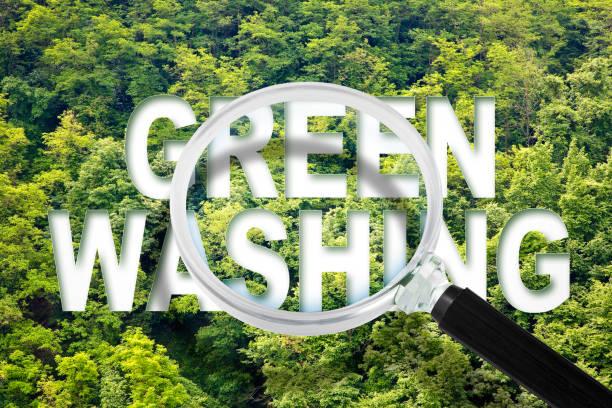
The most significant aspect of the ruling is the ARB's explicit characterisation of the claim as a form of greenwashing. The Directorate recognised that environmental and plant-based claims carry considerable weight with consumers seeking healthier or more sustainable products and concluded that advertisers cannot capitalise on those perceptions through claims that are technically accurate in isolation but misleading in the overall impression they create.
For cosmetic companies, this decision materially raises the regulatory bar for natural and environmental positioning. Many beauty products prominently advertise "natural ingredients", "plant-powered actives", "organic extracts" or "botanical formulations" despite containing synthetic preservatives, fragrances, functional ingredients or petrochemical-derived components. This ruling signals that regulators are likely to assess the net impression created by the claim, rather than its technical accuracy when viewed in isolation. A scientifically correct statement may still breach the Code if consumers are likely to draw a broader and inaccurate conclusion from the advertising.
The ruling also reflects a broader international regulatory trend. Greenwashing has become a major enforcement priority for regulators across Europe, the United Kingdom, Australia and increasingly Africa. The ARB's reasoning closely aligns with the growing expectation that environmental claims must be clear, specific, proportionate and incapable of overstating the environmental or natural credentials of a product. Beauty brands relying heavily on sustainability-led marketing should therefore expect increasing scrutiny of natural, organic, biodegradable, eco-friendly and similar claims.
From a commercial perspective, the implications extend beyond regulatory compliance. Natural and clean beauty positioning often commands premium pricing and underpins brand differentiation. A successful greenwashing challenge can therefore undermine consumer trust, weaken brand equity and expose businesses to competitor complaints, adverse publicity and costly packaging or advertising revisions. For multinational companies, inconsistent environmental messaging across jurisdictions may also create unnecessary regulatory risk as African regulators increasingly draw on international advertising principles.
This ruling presents an opportunity for cosmetic companies to proactively review their environmental and natural claims portfolios before they are challenged. Front-of-pack claims should accurately reflect the product as a whole and should not rely on disclaimers, qualifying statements or back-of-pack explanations to correct an otherwise misleading impression. Marketing, regulatory and legal teams should jointly assess whether claims relating to natural origin, plant-based ingredients, organic content and sustainability communicate a balanced and accurate message when viewed through the eyes of the average consumer rather than the formulation scientist.
Companies should also strengthen internal green claims governance by ensuring that sustainability messaging is reviewed not only for scientific substantiation but also for consumer interpretation. Increasingly, the regulatory question is becoming not "Is the claim true?" but "What will consumers reasonably believe the claim means?"
Bottom Line Takeout
The ARB has made it clear that greenwashing is no longer confined to exaggerated environmental promises—it can arise whenever a technically accurate claim creates a misleading overall impression of a product's natural or environmental credentials. For the cosmetics industry, where natural and clean beauty claims have become powerful commercial differentiators, this ruling is an early warning that precision in language now matters as much as precision in formulation. Brands that invest in transparent, proportionate and consumer-centred environmental messaging will be best positioned to maintain trust as regulatory scrutiny of green claims continues to intensify.