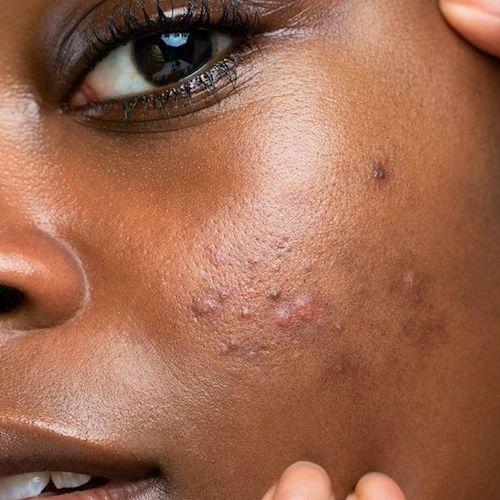
A recent ruling by the Advertising Regulatory Board (ARB) in a matter between Beiersdorf and L'Oréal has delivered an important warning to cosmetic companies operating in the increasingly blurred space between beauty, dermatology and therapeutic skincare. While the ARB upheld La Roche-Posay's dermatologist recommendation claims, it simultaneously found that references to "acne" in associated influencer content constituted an unacceptable medical claim for a cosmetic product and therefore breached the Cosmetic Advertising Code.
The significance of the ruling extends far beyond a single social media post. The decision reinforces the ARB's long-standing position that "acne" is a recognised medical condition and that claims implying treatment, prevention or management of acne move a product into medicinal claims territory that cosmetics are generally not permitted to occupy. The ruling serves as a reminder that a product can be fully compliant from a formulation perspective yet still fall foul of advertising rules if marketing communications stray into medicinal claim territory.
Perhaps the most important parameter established by the ruling is the ARB's position on advertiser accountability. The advertiser argued that the offending acne reference appeared in content created by a dermatologist and was not part of the company's own campaign messaging. The Directorate rejected this defence, finding that brands cannot benefit from influencer or healthcare professional endorsements while distancing themselves from non-compliant claims made in those endorsements. Where a dermatologist, influencer or content creator is promoting a brand's products, the advertiser retains responsibility for the claims communicated to consumers.
This finding materially increases compliance risk for dermocosmetic and science-led beauty brands, many of which increasingly make acne efficacy (direct or implied) or acne adjacent claims and further rely on dermatologists, pharmacists, aesthetic practitioners and influencers to amplify marketing messages. The ruling confirms that regulatory exposure does not end with the approval of official brand content. It extends into influencer posts, professional endorsements, gifted collaborations and third-party promotional activity that can reasonably be linked to the advertiser's commercial objectives.
From a business perspective, the ruling may force brands to reassess how acne-adjacent products are positioned in the market. Product categories historically marketed around blemishes, breakouts, oily skin and problem skin may attract increased scrutiny where marketing language drifts toward references to acne itself. This creates potential portfolio implications for brands whose growth strategies are heavily concentrated in the teenage skincare, dermocosmetic and corrective skincare segments.
The reputational implications should also not be underestimated. Regulatory findings involving medical claims can create consumer perceptions that a company has overstated product capabilities or blurred the distinction between cosmetics and medicines. In categories where scientific credibility is a core component of brand equity, such findings may erode trust among both consumers and healthcare professionals.
The ruling should prompt cosmetic companies to review all consumer-facing content for references to medical conditions, including acne, eczema, rosacea, psoriasis and other recognised diseases. Particular attention should be given to influencer programmes, dermatologist partnerships, healthcare professional engagements and user-generated content strategies where claims governance is often less structured than traditional advertising review processes.
Companies should also strengthen influencer agreements, ensuring that prohibited claims are clearly identified and contractually restricted. Medical terminology should be specifically addressed in content approval procedures, and healthcare professionals engaged by brands should receive clear guidance on the distinction between cosmetic and medicinal claims under the ARB Cosmetic Advertising Code.
Bottom Line Take Out
The ARB has sent a clear signal to the beauty industry: expertise does not create a regulatory exemption. A claim that a cosmetic company cannot lawfully make does not become compliant simply because it is made by a dermatologist, influencer or healthcare professional. As beauty brands increasingly position themselves at the intersection of science, wellness and dermatology, the regulatory boundary between cosmetic benefit and medical claim is becoming one of the most important compliance lines to manage. Companies that proactively govern this boundary will be best positioned to protect both their brands and their reputations.